Change up your diet with lean, healthy wild meats
For most of the four decades he’s been a butcher, Raymond Turkas stuck to the basics: beef, pork and poultry. But about three years ago, Turkas decided to mix up the offerings at Strip District Meats, his Pittsburgh butcher shop.
He noticed that some of his younger “foodie” customers were interested in offal—meat that comes from animal organs—and thought there might be a market for a more exotic selection. As he stocked up on everything from elk and wild boar to kangaroo and snake meat, customers kept buying, even if it was more costly than his standard fare.
“I was initially concerned the price would prohibit the sales,” he says. “But then I started noticing whatever I brought in was selling.”
From specialty butcher shops to grocery stores, unusual meats are beginning to take up more refrigerator space. For many people, they get a kick out of experimenting with something new. But adding exotic meats to your diet can also benefit your health.
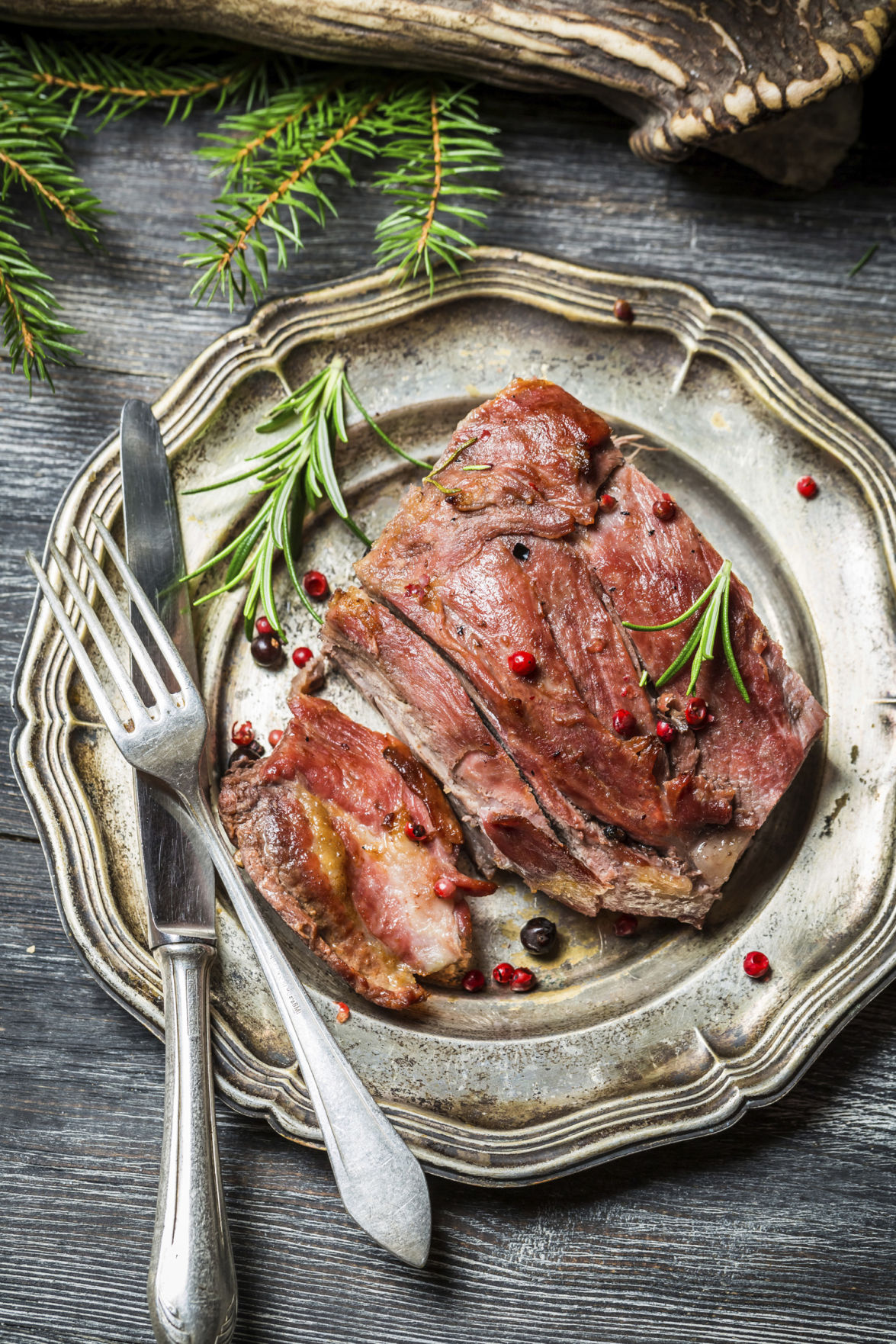
Wild game meats such as elk and venison are often higher in iron and lower in fat than standards such as beef, says Libby Mills, a West Chester, Pa.-based cooking and nutrition coach.
“They are overall lower in calories because they’re lower in fat and have a higher percentage of protein relative to fat,” she says.
Elk stands out as a particularly healthy option, Mills says.
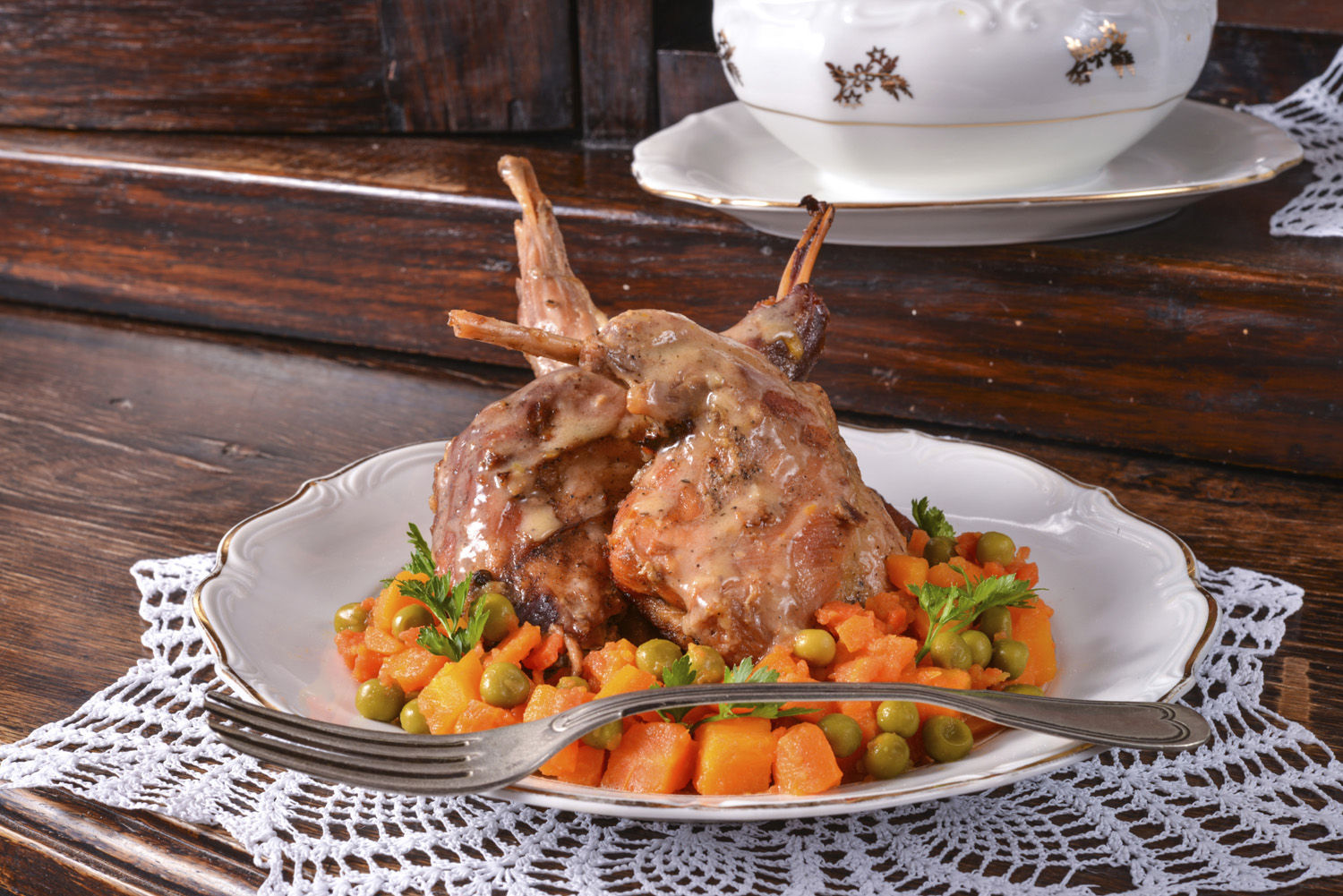
“Elk takes the cake in terms of being the leanest, the lowest in calories, lowest in fat and highest in iron, compared to bison, beef, venison, rabbit and goat,” she says. “It’s the best choice.”
And while incorporating exotic meats may be just one part of healthier eating plan, Mills says experimentation that gets people interested in variety is a good thing.
“It keeps you interested in different kinds of food and makes eating exciting,” she says. “For all these reasons, I think they are a welcome part of the American diet.”