
Can yoga be for kids?
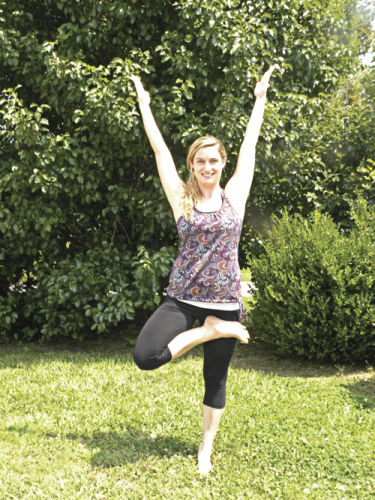
We know how much yoga can help adults. But research shows certain poses and breathing exercises can help children function better in school, and eventually into adulthood. Registered yoga teacher Erin Ahlfield works at Riverbend Head Start in Granite City, Ill., where she has incorporated yoga into her job as a bilingual family service worker. Find her classes at Club Fitness in Alton, Ill., and at CrossFit 618 in Glen Carbon, Ill.
How can parents get children interested in yoga?
I emphasize to very young children that it’s fun. Creating songs through sun salutations or making games out of the postures is great for their energy levels and attention spans. The lion’s breath posture is similar to roaring like a lion. As they get older, I focus more on control and centering.
What are the benefits?
Yoga gives children a strong ground for balancing the external and internal bodies as they grow and develop into adults. Adolescents learn ways to control their energies and emotions through yoga. By learning how to align and balance the body and the mind, children are more easily able to adapt to changes, and don’t have set expectations. Like adults, they excel physically through flexibility, control, awareness, strength and endurance.
How long should a session last?
Children’s yoga sequences should be around 30 minutes, to keep their attention until they begin to have more patience and control.
What are some child-friendly postures?
Their yoga sequences should be kept new and fun. Some postures include downward-facing dog, camel, tree, fish, butterfly, sun salutations and moon salutations. Kids are still growing and developing both internally and externally. So take time with each child’s posture to make sure they are strengthening their muscles and ligaments appropriately.
When is the best time to practice?
Typically, I’ll practice energizing postures with children before playground playtime and afterward. Doing poses before playtime sets them up for a more restorative second session after playtime. As they’re getting ready for naptime, reading and arts and crafts, they will be more calm and focused.
How can parents help overexcited kids around the holidays?
Postures that involve holding the head down are calming because they decrease the sensory stimulation. Relax and rejuvenate them with child’s pose, savasana or downward-facing dog.