
Brain Food
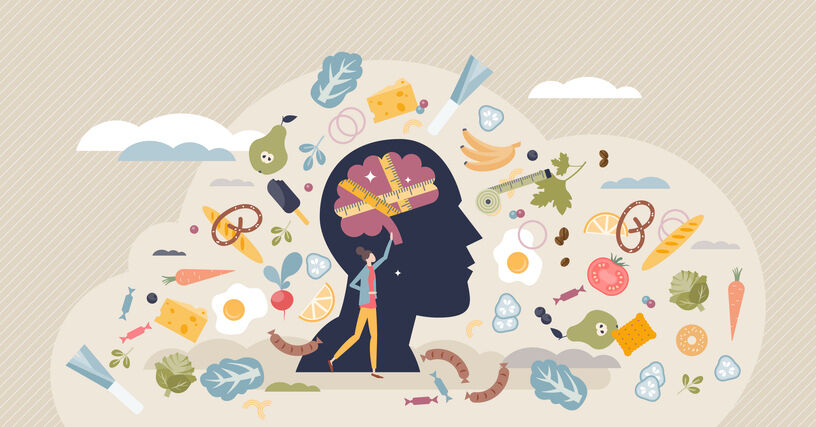
It’s no secret that making nutrition a priority improves physical health, but having good nutrition can also boost mental health, including improved mood, energy levels and cognitive function.
“Many people don’t realize the link between food and mental well-being,” says Signe Svanfeldt, lead nutritionist at Lifesum, a global healthy-eating platform. “A nutritious, balanced diet positively impacts our energy and mood, as well as our gut microbiota, which influences our mental well-being.”
While having an overall balanced diet is important, Svanfeldt also recommends making several dietary changes, like increasing your prebiotic intake.
“Prebiotics can be obtained from various dietary sources, including certain fruits, vegetables, whole grains and legumes,” says Trista Best, a registered dietitian at Balance One Supplements. “These foods contain naturally occurring prebiotic fibers. Prebiotic supplements, on the other hand, are also available and typically contain concentrated forms of prebiotic fibers like inulin or oligosaccharides, which can be consumed alongside a balanced diet to further support gut health.”
In addition to improving the body’s gut health, prebiotics can also have a positive impact on mental health. Prebiotics, as well as probiotics, have been found to improve mental health by reducing inflammation and making more available neurotransmitters, including serotonin, a hormone that regulates mood and reduces symptoms of stress and anxiety.
Svanfeldt also recommends eating foods rich in probiotics, including fermented foods like sauerkraut, kombucha, and dairy products like yogurt and kefir.
“Prebiotics are non-digestible fibers and compounds found in certain foods that serve as food for beneficial bacteria in the gut,” Best says. “They differ from probiotics, which are live, beneficial bacteria themselves. While probiotics introduce beneficial bacteria into the gut, prebiotics nourish the existing good bacteria, promoting their growth and activity.”
Probiotics help regulate the composition and activity of the gut microbiome, which can reduce symptoms of depression and anxiety and enhance stress resilience. A diet rich in omega-3 fats has also been proven to help alleviate symptoms of depression and anxiety.
Eating fruits that contain polyphenols, like apples, grapes and kiwi is also beneficial. Polyphenols can also be found in nuts and some vegetables including peppers, red cabbage and spinach. Polyphenols, which are plant compounds, can protect the brain from oxidative stress and inflammation.
“Polyphenols have a role in maintaining steady blood sugar levels and keeping your cholesterol in balance,” says Catherine Rall, a registered dietitian at Happy V.
Svanfeldt also recommends increasing intakes of complex carbohydrates, like oats, barley and buckwheat, which are high in fiber and have been linked to reducing symptoms of anxiety and depression.
“Complex carbohydrates take longer to break down than simple carbohydrates, meaning that they will be less likely to spike your blood sugar,” Rall explains.
Nutrition plays an important role in the body’s overall wellness, including mental health, and making choices to include more nutritionally dense foods in your diet could result in improved mental health.
“What you eat today will either empower or deplete your mental health tomorrow,” Svanfeldt says. “By nourishing ourselves with wholesome foods, we lay the foundation for greater engagement, productivity, and overall well-being in and out of the workplace.”