Be sure dairy alternatives measure up
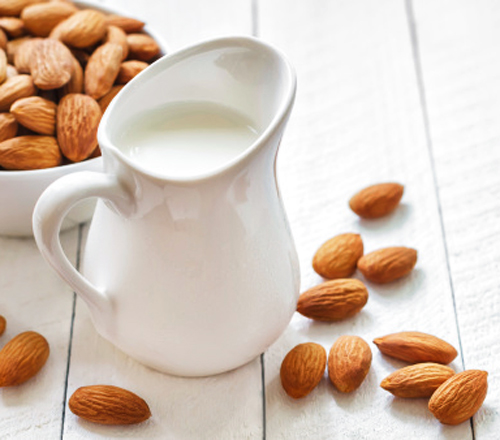
Got milk? Or almond, soy, rice, coconut, hemp or oat milk? It turns out these plant-based milks are giving the industry a run for their milk money, with many people pouring out their cow’s milk completely or simply expanding their creamy horizons.
Research shows more Americans are walking past the traditional dairy aisle. And many grocery stores are noticing the change. WhiteWave Foods, which sells soy, almond and coconut milk, reported its revenue increased from $1.45 billion to $1.65 billion in 2012 to 2013—a 13% increase. The jump was mainly due to a 58% increase in sales of almond milk.
And the fact that we’re sipping less cow’s milk than our grandparents isn’t a total surprise. We’ve been moving away from it slowly but surely over the last 30 years. Surveys by the USDA found that between 1977 to 1978 and 2007 to 2008, the percent of children who drank milk at least three times per day dropped 31% to 18%. For adults, it dropped 13% to 4%.
Eyes on the label
People these days avoid regular cow’s milk for a number of reasons, including allergies, lactose intolerance, a vegan diet, and concerns about how the milk is produced.
Non-dairy milk choices are much more readily available these days, says Renee Waggoner, a registered dietitian who teaches at Murray State University College of Health Sciences and Human Services in Murray, Ky. And many offer the same mild taste and versatility as cow’s milk.
“Almond milk kind of has a nutty flavor, and it’s a little sweeter. It’s good for smoothies, and in coffee,” she says.
If you’re switching milk for health reasons, read the labels on the cartons, Waggoner says. Not all plant-based milks are created equal. Each alternative has its strengths, but may not offer the same benefits as milk.
“There are a lot of varieties, and some types may be better suited for calcium or salt intake, while some may be better for fat,” Waggoner says.
Almond milk is loaded with vitamin E, and it has about the same amount of fat as 2% milk, she says. Rice milk has less fat, but also less protein. Hemp milk is high in omega-3 fatty acids, but low in calcium.
“Become label-savvy. Sometimes people give up things without realizing what consequences you are going to have,” Waggoner says.
Personal dairy decision
Barbara Schroeder Jensen, who rarely drinks milk, says she looks for fortified foods to make up for the vitamins and nutrients she otherwise would get from dairy.
Jensen, who teaches at Princeton University in New Jersey, gave up cow’s milk because she thinks it’s “mean to the cows,” she says.
She opposes factory-farming methods of dairy production, and simply doesn’t think milk is necessary for a healthy diet. And when she found out her 7-year-old son was lactose intolerant, it made the decision even easier.
She says she always drank rice milk, and never thought about switching to other types. “About 15 years ago, rice milk was the staple,” she says.
Through the years, she’s tried most of the plant-based milks, like almond, soy and coconut. Now that she’s expanded her palate, she is a big fan of chocolate ice cream made from coconut milk.
Calcium: A key component
Calcium is the main nutritional reason people still drink cow’s milk, says registered dietitian Renee Waggoner. “Calcium helps with our bones, and it helps with our nerve responses,” she says.
You can get calcium in other ways, but they’re not as effective. Spinach contains calcium, but the oxalic acids in it and similar foods, “don’t let our body take up the calcium as readily,” Waggoner says.
This means it takes huge amounts of spinach to equal a glass of milk, she says.
If you’re not getting dairy-based calcium, Waggoner says to use dietary supplements with calcium citrate—which absorbs easily into the body—or calcium-fortified orange juice.