Autumn local produce bursts with possibilities
If a person makes coleslaw from cabbage grown by a nearby 1,000-acre farm bought at their roadside stand, are they eating local? By a foodie’s definition, the answer is no.
Eating local does mean buying food nearby, but it does not mean any source will do. The spirit of eating local also involves buying produce, meats, cheeses and other whole foods from small scale and hobby farms.
Supporters of eating local advocate for the higher nutritional content of small-farm food, as well as the positive economic impact of money spent staying within the area.
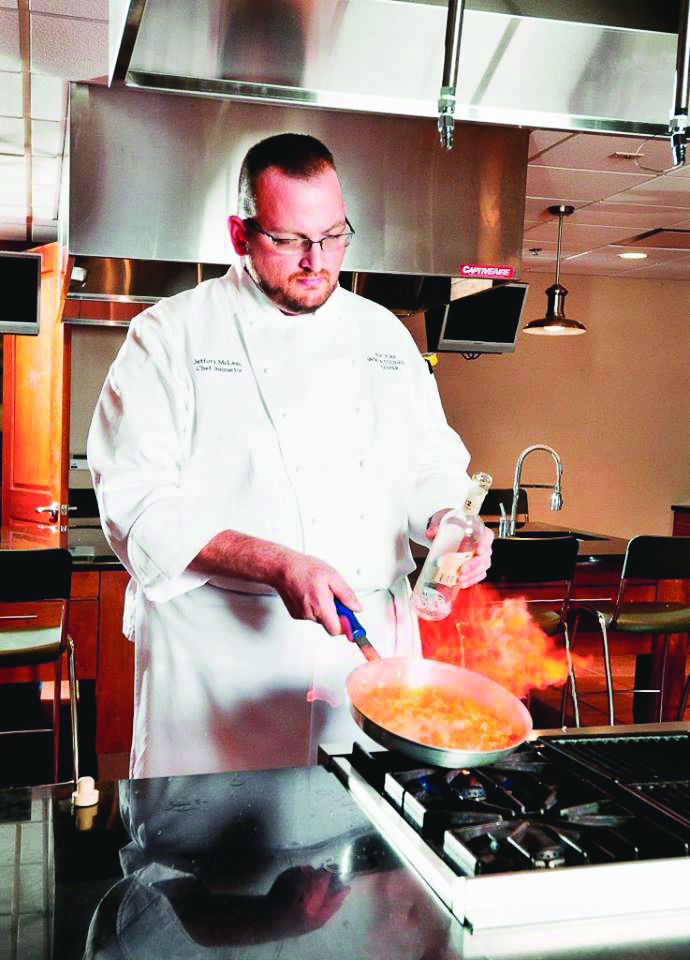
“Large crop farms grow as much as possible, as efficiently as possible. Produce may ripen in ethylene gas in a warehouse. It’s not naturally mature or hardy. It didn’t survive the cold or a drought,” says chef Jeffory McLean, lead culinary instructor at the New York Wine and Culinary Center. “Food from small scale and hobby farms is nutritionally more valuable.”
When consumers buy local, they know where the food came from, and how it was grown.
“I like to know where my food came from,” McLean says. “I can see it in the field; the farmer is my neighbor, my friend. You develop a bond.”
The economic bonus is twofold. First, dollars stay local rather than moving to out-of-state corporations, and also, local food less expensive.
“I have Mennonite produce stands around me,” McLean says. “The food is considerably cheaper than the grocery store. My produce bill is cut in half in the summer. Of course there are farm stands aimed at foodies with lots of money, but with care you can eat more cheaply.”
Eating local also means accepting food in its natural state, which can challenge consumers. The cucumber may have a scar, the tomato may have uneven color.
“People think it’s lesser quality,” McLean says. “But the perfectly red tomato in the grocery store is not natural.”
Eating local also means eating seasonally, which means approaching cooking a little differently. Rather than starting with a recipe and finding ingredients, use a bottom-up approach, figuring out what to make based on the ingredients available to you. This recipe incorporates butternut squash and cranberries, which are both in season right now in Western New York.
Butternut Squash Soup
Serves 4-6
4 cups butternut squash, cleaned and diced
4 cups acorn squash, cut in half and seasoned with salt and pepper
2 cups heavy cream
2 cloves garlic, minced
4 cups chicken stock, hot
Place butternut squash into a small stock pot and add heavy cream. Add enough water to cover squash, and simmer for about 30 minutes or until the squash is tender.
Preheat oven to 400 degrees F. Place the acorn squash on a sheet pan, and roast until soft enough to puree, about 25 minutes depending on the size of the squash.
Transfer acorn squash and butternut squash and liquid to a blender. Add hot chicken stock to blender, and blend until smooth. Take care using the blender with hot ingredients, being sure to cover the blender cup tightly.
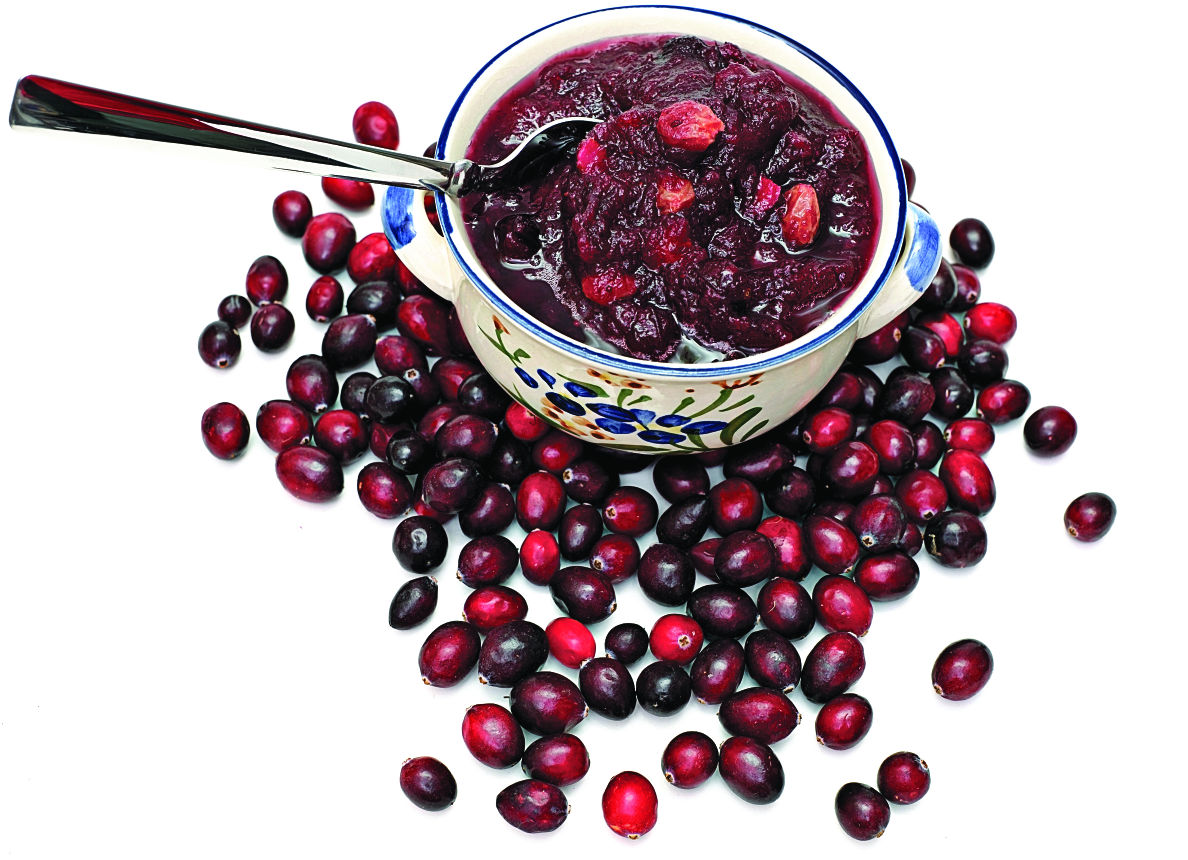
Cranberry Sauce
Can be prepared up to three days in advance.
One 12-ounce bag of fresh or frozen cranberries
1 3⁄4 cup cranberry juice cocktail
3⁄4 cup honey
1 tablespoon grated orange peel
1 cinnamon stick
1 bay leaf
1 teaspoon peeled
fresh ginger, minced
3⁄4 teaspoon ground coriander
1⁄2 teaspoon coarse salt
1⁄2 teaspoon ground black pepper
2 whole cloves
1⁄8 teaspoon cayenne pepper
Combine 1 1⁄2 cups cranberry juice cocktail, honey and orange peel in a heavy medium saucepan. Bring mixture to a simmer over medium heat, stirring until honey dissolves. Simmer 4 minutes to blend flavors.
Add cinnamon stick, bay leaf, ginger, coriander, salt, black pepper, cloves and cayenne pepper and simmer for 2 minutes.
Add cranberries, and simmer until berries burst and sauce is thick, stirring occasionally, about 15 minutes. Remove from heat.
Discard bay leaf, mix in remaining cranberry juice cocktail.
Refrigerate cranberry sauce until well chilled.