
Autism spectrum disorders: What’s in a name?
Guest editorial
News in the world of autism over the past year has featured a slight re-distinction of how clinicians categorized the disability. With the release of the new Diagnostic and Statistical Manual of Mental Disorders (DSM-5) in May 2013, autism spectrum disorders now have their own diagnostic category.
Two of the defining features of autism—language and social skill delays—have been melded under one umbrella called social communication. A leveling system has also been added to the classification, which measures the severity of symptoms.
Historically, when a new development occurs in the field of autism, the public has been eager to find out if and how it can help fight the disorder. The revised DSM identification system is one that could go either way.
On the side of helping the cause, if the new criteria offer clarity and lead to earlier recognition of the signs of autism, many may access treatment earlier. This would be a good thing.
Research has shown that early and effective interventions, such as applied behavior analysis, produce better outcomes in the lives of people with autism.
The DSM is widely used by doctors and therapists practicing in several different disciplines, so if professionals gain more knowledge, it will likely be passed on to the public.
But some movements within the autism community have questioned the purpose of an increasingly refined classification system for a condition that varies so much for every person.
As many experts have confirmed, autism is truly a spectrum disorder, and attempting to confine all its “wavelengths” into one definition may not be worth the effort it requires.
It isn’t necessarily the case that classification or diagnosis, no matter how reliable, leads to effective treatment strategies. Determining these can only be achieved through well-controlled treatment outcome research on autism.
Despite various predictions, the true impact of the revised definition can only be realized as the years following its release unfold. Regardless of this latest event’s effect, experts hope developments in the field continue, and that they produce meaningful and positive change for those whose lives are affected by it.
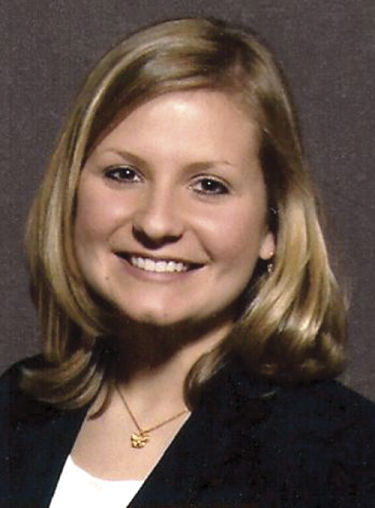
Becky Nastally is a behavior analyst, and has about 15 years of experience treating children with autism. She runs a private practice in Paducah called Bloom Behavior Therapy, providing behavioral intervention services for children with autism spectrum disorders.