
Antioxidants: The Cellular Cleaning Crew
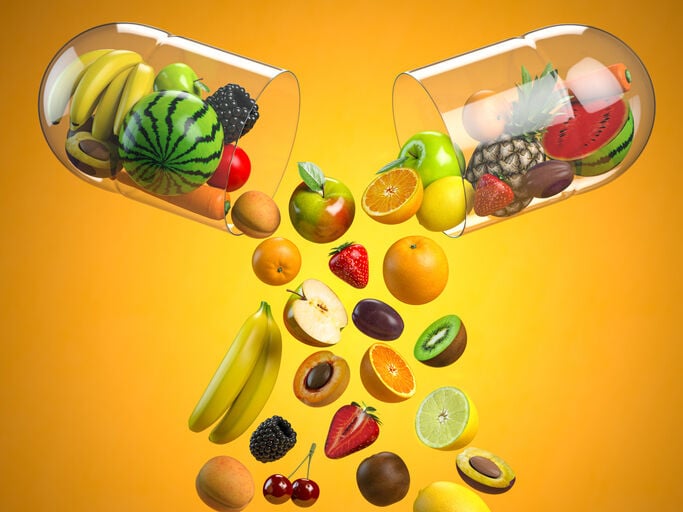
The term “antioxidants” has been added to labels on everything from sauces to skin care products. By scavenging and neutralizing free radicals, these compounds safeguard cellular health. Learning about these nutrients and how to include them in our diets can make the most of their protective powers.
Antioxidants and Free Radicals
Attempting to reduce exposure to toxins in daily life is key, according to Sara Taylor, owner and health consultant of OSO Wellbeing. Free radicals are one example. These molecules are produced by normal cell metabolism, but their production is more weighted by external environmental exposures like pollution, mold, radiation, charred meat, endocrine disruptors and more. They expose the cell to oxidative stress. Taylor explains that free radicals cause cellular damage within the mitochondria, DNA, proteins and lipids, which can then manifest into any number of diseases.
“Things like heart disease, cognitive diseases, Type 2 diabetes, and many more are directly connected to our body’s ability to stave off free radicals,” Taylor says.
That’s where antioxidants enter the scene, neutralizing free radicals and protecting cells from damage that too many of these molecules can cause. For context, Taylor explains we have over 250 different types of cells in our body totaling over a trillion cells at any given moment, all working to perform specific functions that keep a body healthy. Cells exposed to oxidative stress and thus damaged by free radicals can also lead to the formation of cancer cells. Cancer cells that are not properly eliminated from the body collect and form tumors of damaged cells.
“Antioxidants are quite literally the cellular shield to molecules of mass destruction,” Taylor says.
Dementia Deterrent
The National Institute of Health points to newer research showing some antioxidants may also reduce the risk of Alzheimer’s and dementia. According to the NIH, several lifestyle factors may help reduce the risk of dementia, including a nutritious diet, adequate sleep and activities that challenge the brain. As compounds that are commonly found in fruits and vegetables, antioxidants can be part of that nutritious diet.
The brain also plays a key role in this equation as Alzheimer’s and dementia are caused, in part, by the death of brain cells. Taylor notes the brain is especially susceptible to oxidative stress and cell death due to free radicals.
“There is also a strong link in medical literature to the gut microbiome and degenerative brain diseases,” Taylor explains. “The takeaway here is to reduce your exposure to toxins in the body, support your body’s clean and clear detoxification pathways and increase your absorption of antioxidants.”
Eat Your Antioxidants
With antioxidants touted on so many product labels, it’s important to remember that the most efficient way for a body to absorb them is by simply eating wholesome antioxidant-rich fresh foods. For her part, Taylor leans toward foods that are easy to incorporate into her family meal planning. She also considers price, quality and ease of preparation. Her top recommendations include:
- Spinach. Also a high source of calcium.
- Blueberries. Packs one of the highest antioxidant contents of all fruits and vegetables.
- Acai. Typically found in a grocer’s freezer section and makes a tasty addition to smoothies.
- Broccoli. Loaded with many antioxidants and ranks high in vitamin K and brain-protecting compounds.
- Beets. Can also reduce colon cancer and supports digestive health (Taylor roasts them with goat cheese).
- Kale. An easy and hardy green to grow and loaded with vitamin C and beta-carotene.
When it comes to improving wellness, Taylor emphasizes there is no single solution. One thing, however, is certain. Making antioxidant-rich foods part of your daily wellness routine is a surefire way to level up healthy habits and enjoy the improved quality of life that goes with them.
When it comes to improving wellness, Taylor emphasizes there is no single solution. One thing, however, is certain. Making antioxidant-rich foods part of your daily wellness routine is a surefire way to level up healthy habits and enjoy the improved quality of life that goes with them.