
A New Weapon
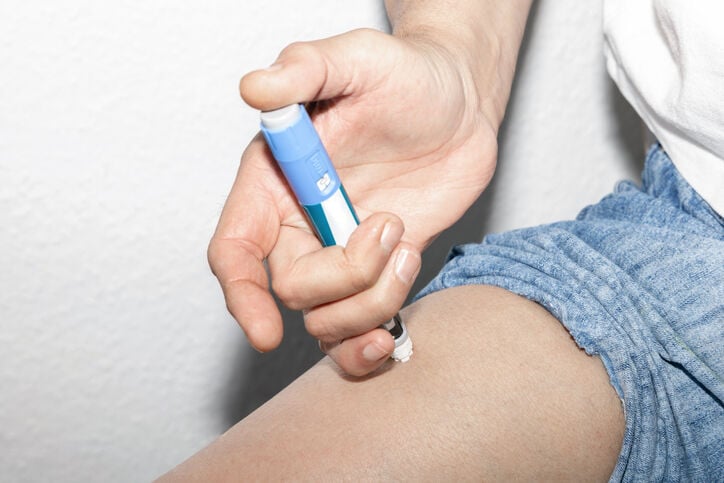
It’s no surprise there is growing interest in weight loss medications.
Consider the most recent statistics regarding obesity in the United States, according to the Centers for Disease Control and Prevention:
Nearly 42% of adults are considered obese, with nearly 10% severely obese.
Nearly 20% — or 14.7 million — of children ages 2 to 17 are considered obese.
Health conditions related to obesity include high blood pressure, heart disease, stroke, Type 2 diabetes and certain types of cancers — all leading causes of preventable and premature death.
The estimated medical cost of obesity was nearly $173 billion in 2019 dollars, and medical costs for adults with obesity were $1,861 higher than those with a healthier weight.
Dr. Lisa Breslow of ChristianaCare in West Grove, Pennsylvania notes obesity is a chronic, relapsing medical condition.
“Patients with obesity shouldn’t feel ashamed or like it’s their fault,” she says, adding the condition requires a multifaceted treatment plan that takes time, and when weight loss is achieved, other related conditions tend to improve.
Breslow, who previously worked as a family physician, is board certified in obesity medicine and now focuses specifically on the condition. She says obesity medicine is a growing and needed field.
“It is so, so very important to patients because a lot of patients struggle with being overweight and obese.”
Weight Loss Medications
Obesity is defined as having a body mass index — which compares height and weight — of 30 or higher. A BMI of 25 to 30 is considered overweight, while a BMI of 40 or higher is considered severe obesity. For children, obesity is defined as a BMI at or above the 95th percentile on the CDC BMI-for-age growth charts.
But losing weight isn’t as simple as “calories in and calories out,” Breslow says. Hormones in the brain and gut communicate to signal hunger and fullness. And that’s where medication can help.
Ozempic is one medicine that has been in the news more recently. It is indicated for people with Type 2 diabetes, but can lead to weight loss in people without diabetes. Wegovy, a similar medication, is FDA-approved for weight loss in non-diabetics, as is the more recently approved Zepbound. These are injectable medications, but there also are oral medications available.
One of the ways the injectable medications work is by manipulating the gut hormones that talk to the brain, signaling the stomach is full more quickly and for longer periods of time, Breslow says.
“It’s that piece that we use medication to manipulate that patients have no control over,” she explains.
Breslow stresses the medications are indicated for specific patients. They may be prescribed to those with a BMI of 30 or higher, or a BMI of 27 or higher with weight-related conditions like diabetes, high cholesterol or high blood pressure.
Breslow notes that side effects come with any medication. For these weight loss medications, two of the most common side effects include nausea and constipation, and the drugs can exacerbate existing conditions like acid reflux and gastroesophageal reflux disease or GERD.
Breslow cautions compounded versions of the medications “are not at all approved or regulated” by the Food and Drug Administration.
Other factors to keep in mind regarding the medications include the fact that the drugs need to be taken to maintain weight loss; once they are stopped, weight may be gained. Insurance also may not cover the drugs, which can be expensive, for the purpose of losing weight, and there have been shortages due to rising interest.
Multifaceted Treatment
Breslow is excited there are medications available to treat obesity, but stresses they are just one piece of a multifaceted treatment.
“These medications do work well to treat obesity, however, there is no panacea to treat obesity,” she says. “For that reason, people need to be aware of the array of tools and resources already available and accessible to them that can help them successfully lose weight in a healthy way.”
Those tools include examining and changing diet and exercise habits, as well as screening for disorders that can adversely impact weight, such as binge-eating and night-eating syndrome. A registered dietitian, for example, can help establish healthier eating habits.