
A New Awareness: More than one in five Americans affected by mental health issues
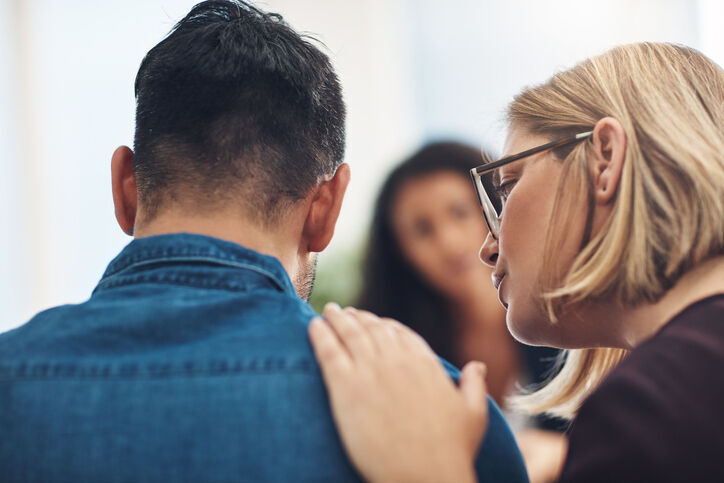
Look around the table at your next family dinner. Odds are at least one — most likely more — of the people you are sharing the meal with has experienced mental health issues.
“More than one in five Americans or some 792 million people worldwide struggle with mental health problems like anxiety and depressions,” says self-help expert Tyler Holmes, CEO of fitness, philosophy and psychology website Moving-Forwards.com. “Those are just incredibly high numbers when you stop and think about it.”
Social Media Role
Holmes believes there are multiple factors behind the increase in mental health cases. The two largest, he says, are social media and the pressure to be successful.
“Everyone feels like they have to be a millionaire in order to be successful,” he says. “Social media [sites like Facebook, Twitter and Instagram] just exacerbates this further by constantly barraging us with images of successful people and celebrities.”
Clinical social worker Jessica Anne Pressler doesn’t cite social media as the main cause of the uptick in mental health cases in recent years, but she agrees it plays a role.
“A lot of people seem to post things that imply they are living the perfect life, and in most instances that isn’t true because I don’t know anyone who is living a perfect life,” Pressler says. “If you are someone who actually believes that, then it can be very detrimental because it’s unattainable.”
In addition to presenting in many cases what is an unrealistic view of life, social media also makes it easy for people to bully others, says Pressler, who manages jessicaannepressler.com, which features blogs and articles on mental health.
“Online bullying is a major problem,” she says. “It can be very, very hurtful. I’ve seen it personally because people have criticized some of my posts, and I don’t internalize it at all because I know these are just midnight trollers looking to make trouble.
“But I know it can hurt other people who are opening up to a comment I made. You must be very careful with social media because it can be very triggering, and it’s something we never had to deal with a handful of years ago.”
Although social media does have its share of “bad eggs,” Pressler says it doesn’t need to be completely avoided. Many professionals run closed or heavily moderated groups that offer advice for those dealing with mental health issues.
“If you put people together who are dealing with the same thing, as these groups do, that can be very helpful,” she says. “You can get a lot of good from social media, but you need to know what to pick and choose from.”
Dr. Antonello Bonci, president and chief scientific officer at GIA Healthcare, agrees that social media can be both positive and negative. One of the pluses is that more institutions are becoming interested in mental health care, Bonci says. Television shows like “This Is Us” have helped steer the public in a more enlightened direction, he adds.
“Media, in general, has played a positive role, as influential people talking about their mental health issues create a snowball effect in reducing the stigma and making mental health issues accepted as medical conditions,” he explains.
Mental Health Defined
As people from all walks of life are impacted by mental health issues, the last handful of years have shown that no one, regardless of wealth, status or background, is immune to such challenges. Mental health is more openly discussed now than ever before, and Pressler has noticed a change in how mental health is defined.
“The definition of mental health has evolved over time as our understanding of mental health has improved and new research has emerged,” she says. “In the past, mental health was often defined solely as the absence of mental illness. However, this definition has expanded in recent years to encompass a more holistic view of mental well-being.
“Today, the definition of mental health continues to evolve to include new research and understandings of mental health. Recent research has highlighted the importance of factors like social connection, mindfulness and resilience in promoting mental health. Mental health is increasingly being viewed as an integral part of overall health, rather than a separate and distinct issue.”
Psychotherapist Ellie Borden agrees the definition of mental health has transformed from a “narrow view of the absence of mental illness to a much more comprehensive understanding of mental well-being.”
“The concept of mental health today is complex and includes a diverse array of experiences and conditions,” she says. “In the past, mental health was typically confined to diagnosable disorders like schizophrenia or severe depression. However, contemporary perspectives on mental health have broadened to encompass a wider range of experiences, including everyday stress and diagnosable yet treatable conditions. It is becoming increasingly acknowledged that mental health can significantly affect one’s overall well-being and quality of life. It is noteworthy that mental health has undergone a broader definition and is now applicable to a wider range of experiences, such as stress, anxiety and general feelings of unwellness.”
Although we are more aware of mental health now, Borden wasn’t ready to say poor mental health and mental illness is more prevalent today.
“The prevalence of poor mental health and mental illness in the present compared to the past is a challenging matter to ascertain,” she says “Our society has developed a heightened consciousness and comprehension of mental health recently. Insufficient knowledge and comprehension regarding mental health may have resulted in fewer reported cases of mental health problems and a restricted awareness of the frequency of mental illnesses, but the same percentage of people may have been experiencing mental health issues.”
Bonci believes poor mental health is more prevalent today and cites COVID-19 as one of the big reasons why.
“Historically, mental health has been one of the most neglected areas of health globally,” Bonci says. “This was particularly true before COVID-19, but the pandemic has dramatically worsened the incidence and prevalence of mental health issues. COVID-19 has, in some cases, halted critical mental health services, while the demand for mental health treatment is constantly increasing. Given the chronic nature of the disease, this scenario translates into a steady growing significant impact worldwide.”
Psychotherapist Sarah O’Brien is also a believer that COVID-19 has led to a spike in mental health cases.
“The political turmoil and the financial inflation brought on by the pandemic the past few years has resulted in many more people struggling with poor mental health and wellness,” she says.
Childhood and workplace impact
O’Brien says many mental health problems begin during childhood.
“Adverse childhood experiences like trauma and being raised in a dysfunctional family system are key contributors to the start of poor mental health,” she says. “Family relationships are the first exposure people get on how to be in the world, and we tend to copy behaviors learned in our family while growing up.”
This may include problems such as depression, anxiety and addiction.
“If you grow up in a family where one or more members have a mental illness like anxiety, it’s likely you will also have an anxiety, not due to genetics but due to practicing what you see.”
Borden says poor mental health can also be related to psychological, environmental and social factors. Although financially sound people are by no means immune to mental health problems, a person in poverty is more likely to suffer such challenges, she adds.
“Poor mental health and poverty can form a vicious circle in which each contributes to the other,” she explains. “Individuals with poor mental health may have difficulty finding and keeping work, resulting in financial stress and poverty.
“On the other hand, living in poverty can cause stressors that contribute to poor mental health, such as financial problems, food insecurity and a lack of access to health care.”
Borden believes the effects of poverty on mental health can be more acute in childhood, when it can contribute to increased stress, trauma and unpleasant childhood experiences.
“All of those can have long-term repercussions on mental health,” she says. “Without care, this can lead to a cycle of poverty and poor mental health that is difficult to break. Tackling poverty and improving mental health outcomes are intertwined aims.”
Perhaps one of the most overlooked side effects to poor mental health is performance in the workplace. Pressler says mental health issues can have a significant impact on job performance.
“Individuals with poor mental health may find it difficult to concentrate, stay motivated or complete tasks,” she says. “They may struggle with time management, have difficulty meeting deadlines and tend to take time off from work for no apparent reason.”
Samantha Zhou, manager of health and mental well-being at Freedom Dividend, says poor mental health can lead to “job burnout” and additional stress at work.
“Poor mental health can have a significant negative impact for one’s job,” Zhou says. “In addition, people with mental health issues are less likely to be happy or satisfied with their job.”
Mental health can also impact relationships and parenting abilities, says Y.K. Kanusha, a clinical psychologist at Allo Health.
“Poor mental health can affect a person’s ability to concentrate, make decisions and manage stress,” Kanusha explains. “It can also affect relationships with family, friends and romantic partners. It can lead to communication problems, emotional withdrawal and reduced ability to handle conflict, which can result in strained relationships.”
Kanusha notes parents with poor mental health may have difficulty providing consistent care for their children, setting appropriate boundaries and meeting their children’s emotional needs.
“This can have long-term impacts on children’s development and well-being,” she says. “Poor mental health can also lead to feelings of sadness, hopelessness and reduced enjoyment of life.”
Coping strategies, seeking help
That hopelessness and reduced enjoyment of life can lead to coping in unhealthy ways, according to Kanusha.
“Some individuals may avoid situations or people that trigger their stress or anxiety, which can lead to social isolation and further exacerbation of their mental health issues,” she says. “Others may cope by throwing themselves into work or other activities to distract themselves from their problems, which can lead to burnout and exhaustion.
Some people turn to drugs or alcohol to numb their feelings or escape, and this can result in a further decline in their mental health. Kanusha says some people resort to binge or restrictive eating and, in extreme cases, physical harm such as cutting or burning themselves to cope with the emotional pain.
Pressler says overcoming poor mental health is possible.
“There is no one-size-fits-all approach to overcoming it, but there are a variety of strategies people can employ to help them cope with their traumatic experiences and begin the healing process,” she says.
“It’s important to seek professional help from a qualified mental health practitioner who can develop a tailored treatment plan for the individual,” she says.
Another suggestion is to talk about the trauma with family or friends. Exercising regularly and engaging in activities that promote relaxation such as yoga, meditation or mindfulness techniques can also help.
“No matter how daunting it may seem, it is important for people to remember that recovery is possible with the right support system in place and a willingness to take steps toward healing,” Pressler says.