
A chance to change: Prediabetes can be remedied through better lifestyle choices
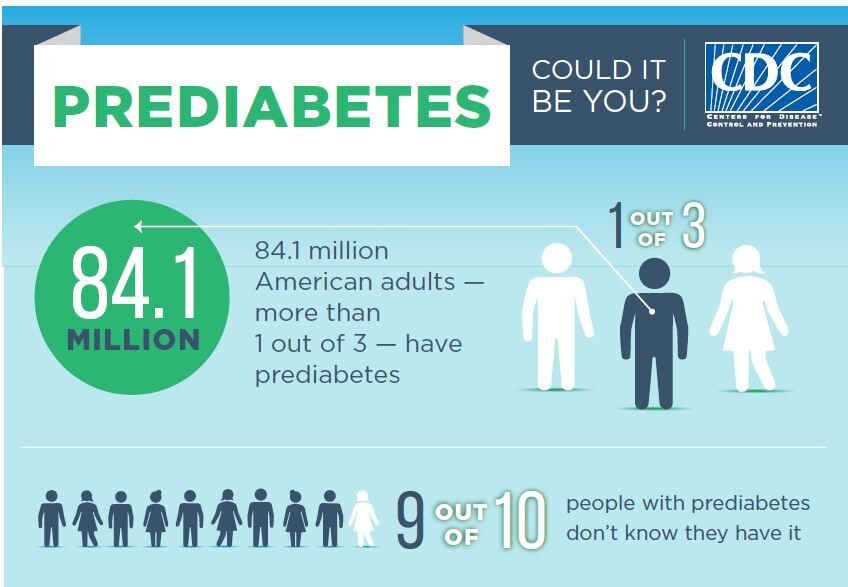
Prediabetes — the condition’s name more or less says it all. Defined by a blood sugar level that is higher than it should be but not yet diagnosed as Type 2 diabetes, prediabetes is not only a gateway to developing the disease but also increases the risk of heart disease and stroke.
What’s more: Roughly 88 million American adults — or roughly one in three — have prediabetes, according to information from the Centers for Disease Control and Prevention. Of those, 84% do not even know they have it, according to the CDC. But some changes to one’s lifestyle can prevent or delay Type 2 diabetes and stave off other serious health issues.
Similar to diabetes itself, with prediabetes the body is not responding as it should to insulin, according to the CDC. The pancreas makes more of the hormone in an attempt to get the body to respond appropriately, but the organ cannot keep up and blood sugar rises.
The lack of clear symptoms that sometimes go with prediabetes is a major factor in why many people unknowingly live with the condition for years, until worse problems arise. The CDC recommends people get their blood sugar tested if they are overweight, age 45 or older, have immediate family members with Type 2 diabetes, are physically active less than three times a week, ever had gestational diabetes or given birth to a baby who weighed more than 9 pounds, or have polycystic ovary syndrome. African Americans, Hispanic/Latino Americans, American Indians, Pacific Islanders and some Asian Americans are also at higher risk, the CDC notes.
Losing weight and regular physical activities can lower the risks of developing Type 2 diabetes. Lower intake of “bad” cholesterol and quitting smoking are also recommended. The CDC leads a National Diabetes Prevention Program to help people make the necessary changes long-term.
According to the Mayo Clinic, signs that prediabetes has progressed to Type 2 diabetes include increased thirst, frequent urination, excess hunger, fatigue and blurred vision. Diabetes can damage the eyes, so it is recommended that people with the disease undergo dilated eye exams at least once a year, according to the CDC. The organization also recommends visiting an eye doctor immediately if a person sees little black lines or spots that don’t go away, sees red spots or a red fog, has sudden changes in clarity or takes longer than usual to adjust to darkness. Retinopathy, cataract and glaucoma are common among people with diabetes.
The Mayo Clinic also notes that eating red and processed meat and drinking sugar-sweetened beverages can increase one’s risk for prediabetes. Conversely, diets high in fruits, vegetables, nuts, whole grains and olive oil are associated with lower risk of prediabetes, the Mayo Clinic says. Type 2 diabetes can lead to complications such as high blood pressure, high cholesterol, kidney disease, nerve damage, vision problems, possibly loss of vision and amputations, according to Mayo Clinic.